
The Eugene Rodent Guide: Neighborhoods, Composting & Coops
A neighborhood-by-neighborhood briefing on what's actually living near your house, distilled from a decade of Lane County crawl spaces, attics, and backyard chicken coops.
Eugene is not a generic American city when it comes to rodent ecology. Three things distinguish it: a remarkably mild and wet climate that lets rodents breed nearly year-round, a strong urban-agriculture culture (backyard chickens, composting, gardening), and an unusually permeable urban-wildland edge along the Ridgeline Trail and the Willamette greenway. This guide is the briefing for new neighbors and new homeowners who want to understand why this town has so much rodent activity.
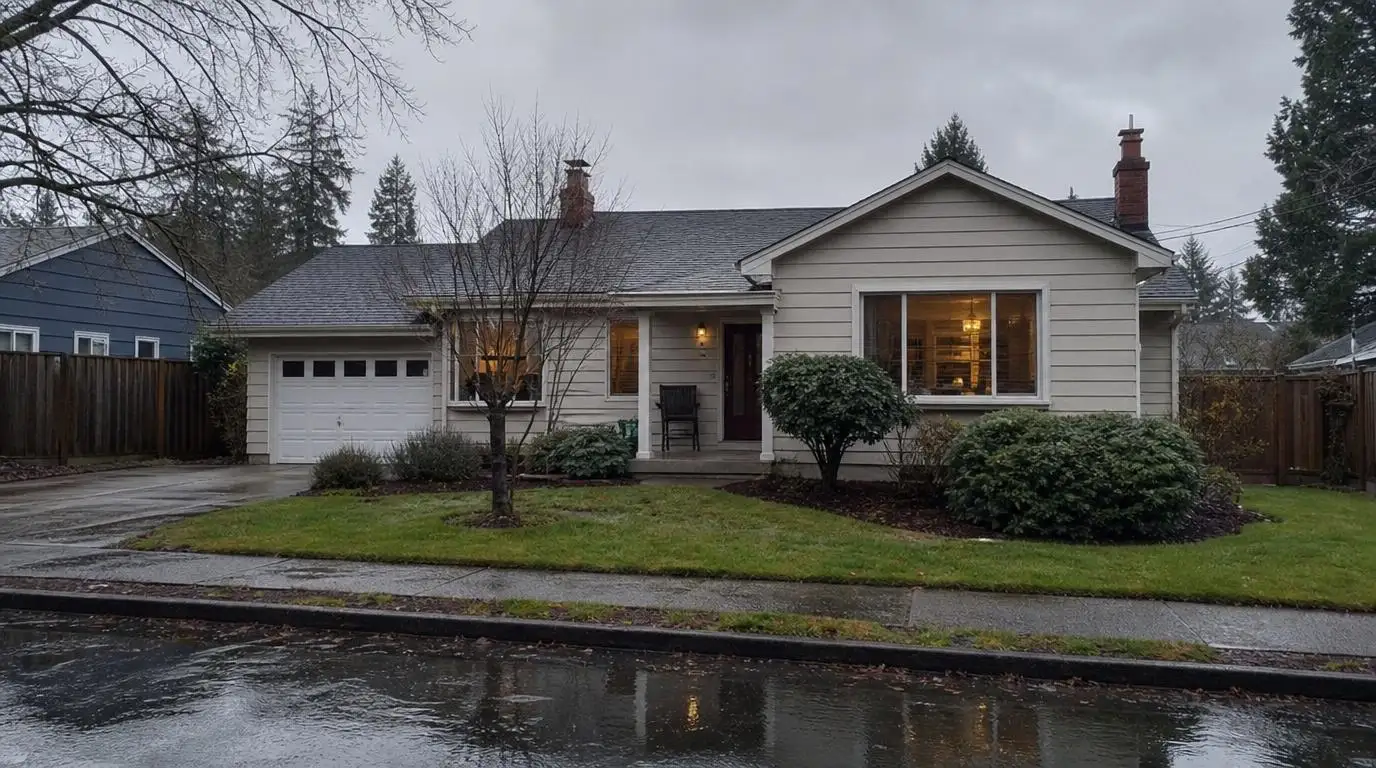
What's actually drawing rodents to Eugene yards.
Almost every persistent rodent problem in Eugene traces back to one of three local lifestyle features. The good news is that all three are manageable — you don't have to give up your compost bin or your chickens to get the problem under control.
Urban composters
Open-pile and unsecured tumbler composters are the single largest source of in-yard rodent food in Eugene. Worm bins are fine; food-scrap piles are not. The fix is hardware cloth on the bottom and a secured lid, plus banning meat, dairy, and cooked grains from the pile.
Chicken coops & feed
The coop itself isn't the problem — the feeder is. Open scratch grains, exposed layer pellets, and spilled feed under the run all sustain Norway rat colonies within 50 feet of the structure. Treadle feeders and hardware-cloth aprons solve 80% of it.
Mature landscaping
Eugene's beloved fruit trees (fig, plum, apple), mature ivy walls, and Himalayan blackberry hedges are highways and grocery stores combined. Roof rats follow ivy and blackberry up to the roofline; ground rodents harvest fallen fruit indefinitely.
What we see in each part of town.
The Friendly Area & College Hill
Eugene's classic pre-war neighborhood, mostly 1920s–1940s housing stock with brick or concrete-block foundations, narrow walkways, and mature landscaping. The dominant rodent here is the roof rat, almost always entering through soffit-fascia gaps or via mature fig and plum trees. We do more "I hear scratching in the attic" calls in the Friendly Area than in any other Eugene neighborhood. The architectural pattern that fails most often is the original cedar gable vent screen, which rots out at the bottom by the home's fortieth winter.
South Eugene & Hendricks Park edge
Larger lots, hillside ranches and contemporary homes from the 1960s through the 1990s. Pressure here is split: roof rats from the Hendricks Park canopy and Spencer Butte greenway, plus deer mice migrating from the oak savanna and forest fringe. South Eugene homes are usually well-built, but the hillside crawl spaces are tall, complex, and often have multiple access points an animal can find.
Cal Young & Sheldon
1970s and 1980s split-levels, ranches, and the occasional two-story tract home. The defining problem here is the original foundation venting — galvanized vent grilles installed in 1978 are at the end of their service life. We re-screen or replace them on probably 70% of Cal Young inspections. The neighborhood backs up to Delta Ponds, which keeps a steady Norway rat population on the wetland edge.
Whiteaker
Mixed older housing with strong urban-agriculture culture: high density of backyard chickens, composters, and food-scrap programs. Norway rats dominate, supported by ground-level food sources. Whiteaker is also the neighborhood where we see the most blackberry-driven rodent runways between adjacent properties.
Bethel, Trainsong, & River Road
Single-story ranches and manufactured-home developments, often near rail corridors and Amazon Creek. Foundation venting is frequently undersized or damaged. Field mice migrate in from adjacent agricultural land in October every year without exception. River Road in particular has a documented seasonal Norway rat migration tied to Willamette River high-water events in late winter.
Santa Clara & Junction City fringe
Suburban-rural edge housing with the highest deer mouse exposure in our service area. These are the homes where we most often recommend wet-method cleanup with full PPE. The same pasture that gives these homes their views also gives them seasonal mouse pressure on a scale most of urban Eugene doesn't experience.
Springfield, Thurston, & Mohawk
1990s and 2000s subdivisions with engineered roof trusses, shared attic spaces, and shared problems — an infestation in one home of a connected duplex or zero-lot-line cluster almost always means the neighboring units are infested too. We frequently inspect and treat multi-home runs together.
Crest Drive & Laurel Hill
Hillside properties pressed against oak savanna, blackberry, and the Ridgeline Trail. Both rats and mice present. The structural challenge is the deck-and-stilt construction common in this area, which creates a sheltered ground-level void below the structure that's effectively impossible to exclude without converting it to a sealed crawl space.
How to keep a Eugene compost bin that doesn't sustain a Norway rat colony.
Composting is a real ecological good and we don't want anyone to stop. But an unsecured compost bin in Eugene is a vending machine that runs 12 months a year, and the customers are Norway rats. The fix isn't to stop composting — it's to compost in a way that excludes the rats while welcoming the worms and microorganisms doing the actual work.
- Mount the bin on 1/2-inch hardware cloth, edges extending 12" beyond the bin footprint
- Use a closed tumbler or a bin with a lockable lid
- Bury food scraps under a minimum 6 inches of carbon material (leaves, shredded paper)
- Never compost meat, dairy, cooked grains, or oily food residues
- Turn the pile weekly — rodents nest in undisturbed piles
- Move the bin location every 18–24 months to break runway patterns
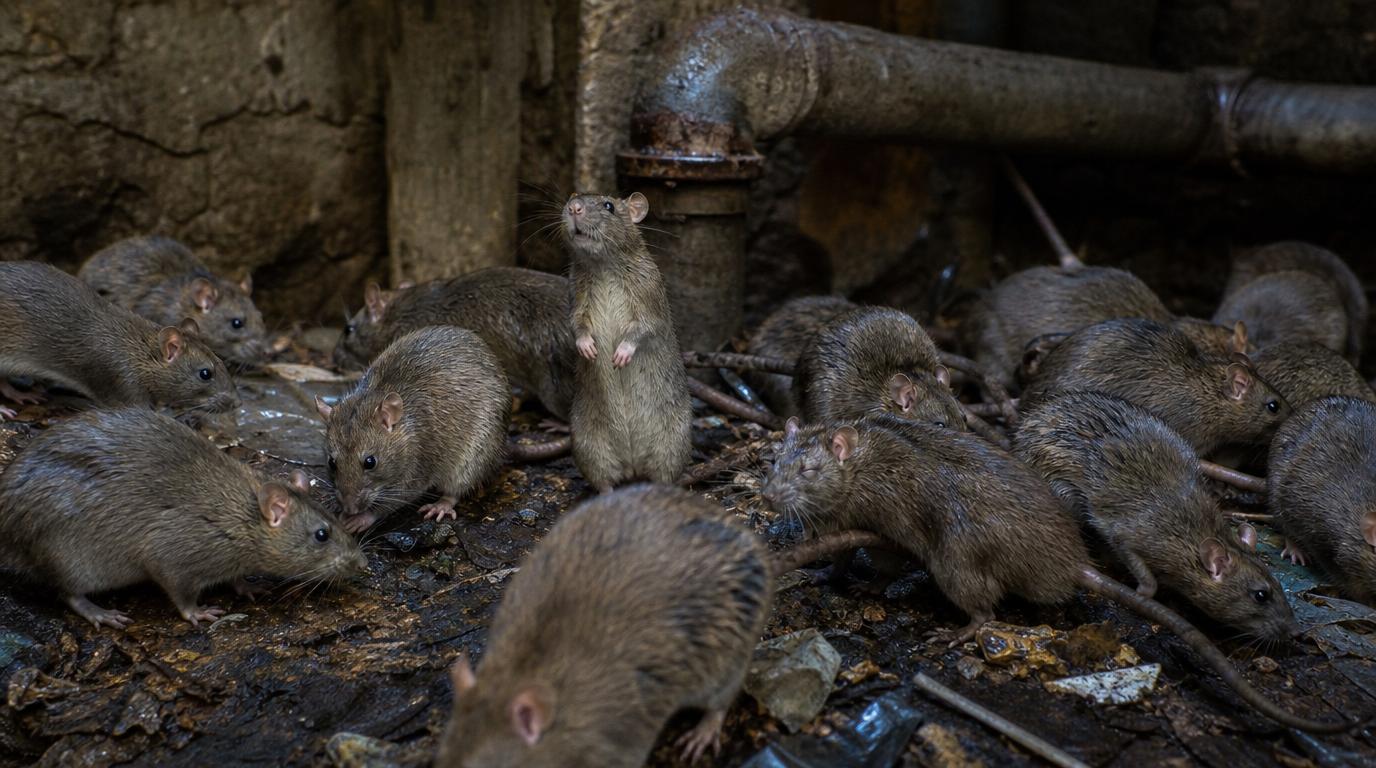
Eugene chicken coops without a rodent population.

Backyard chickens are common and legal across Eugene — Code 6.075 allows up to four hens without a permit. The challenge isn't the chickens; it's that chicken feed is rodent feed, and most coops in Eugene leak food in three ways simultaneously.
- Replace open feeders with treadle feeders. The hen's weight opens the lid; rodents are too light to trigger it. Single best change you can make.
- Apron the run. 1/2-inch hardware cloth buried 6" deep and extending 18" outward from the run perimeter stops burrowing rats from coming up under the wire.
- Store feed in metal cans. Galvanized 30-gallon trash cans with tight lids. Plastic bins fail to a determined rat in one night.
- Clean spilled feed daily. Even one tablespoon of spilled scratch is enough to sustain a juvenile rat indefinitely.
- Close the coop at dusk. Most rodent feeder raids happen in the first hour after sunset.
What's happening in your walls each month of the year.
September
Early field-mouse scouts. First scratching reports begin mid-month. The last week to comfortably do dry-weather exclusion work.
October
The first sustained rain pushes the bulk migration indoors. Peak entry-point activity. Trap activity ramps to high.
November
Colonies established in attics and crawl spaces. Cleanup calls start picking up. Most exclusion crews booked 2–3 weeks out.
December
Heavy litter production — house mice breed continuously when warm and fed. The "I thought we got them all" repeat-call month.
January
The quiet middle. Rodents are in residence but movement is minimized by cold. Damage is accumulating in insulation.
February
First-thaw movement. Crawl space cleanup season begins as homeowners assess winter damage.
March–April
Spring dispersal. Juveniles leave the colony to establish new territories. Often the first scratching homeowners hear.
May–August
Outdoor focus: yard cleanup, compost audits, chicken coop hardening, structural exclusion. The right months to fix the source of next October's problem.
Want a custom audit of your property?
Several directory operators will walk your yard, coop, compost, and crawl space and give you a written prevention plan, independent of whether you hire them for the work.