
Eugene's network of rodent control experts & resources.
Free inspection · Vetted Lane County operators · No obligation
The two halves of the network: learn what good work looks like, then pick the right operator for it.
Most homeowners get burned twice. First by a rodent infestation, then by hiring the wrong contractor to fix it. The network publishes plain-language local guides so you can tell a good exclusion job from a bad one, and a curated directory of Lane County operators worth calling.
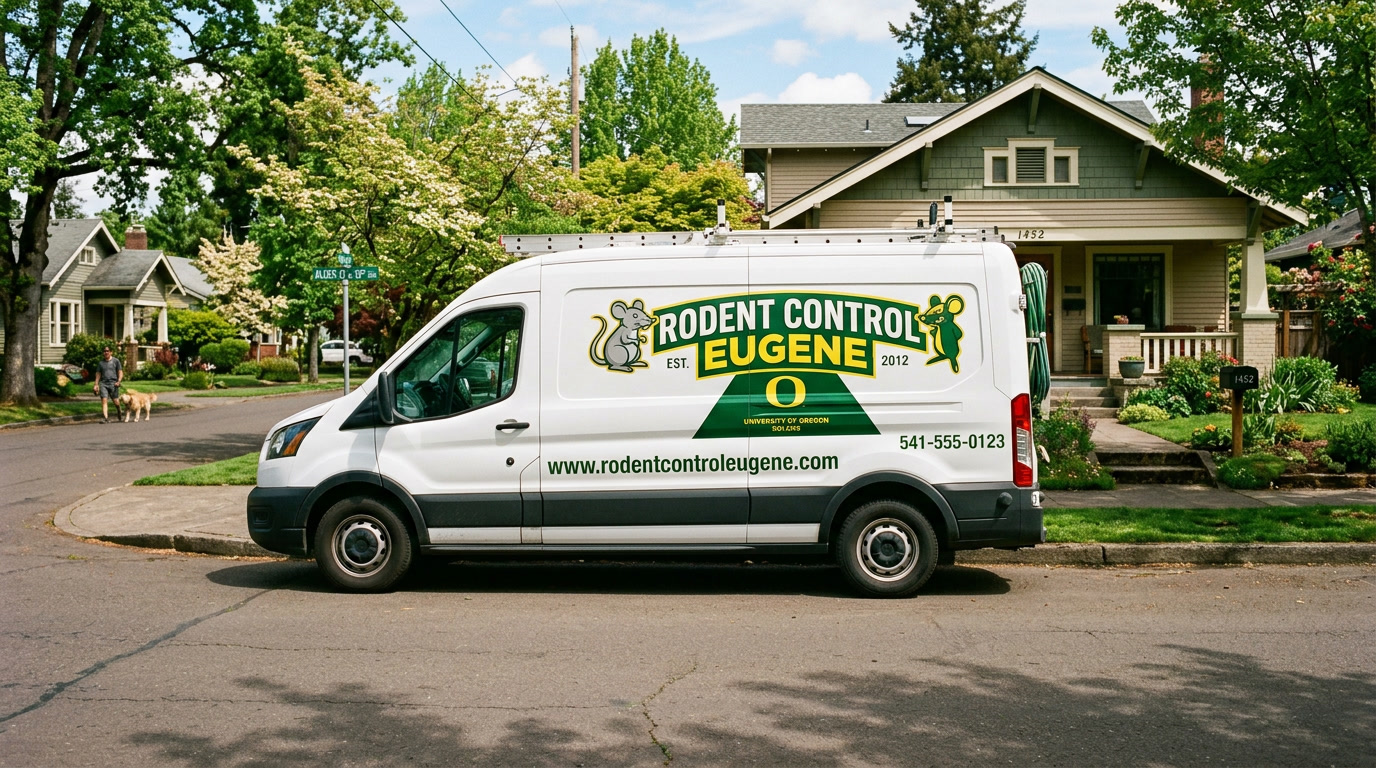
Rodent Control Experts
The vetted directory: five Lane County operators ranked on credentials, methodology, and local reputation.
Browse the directory →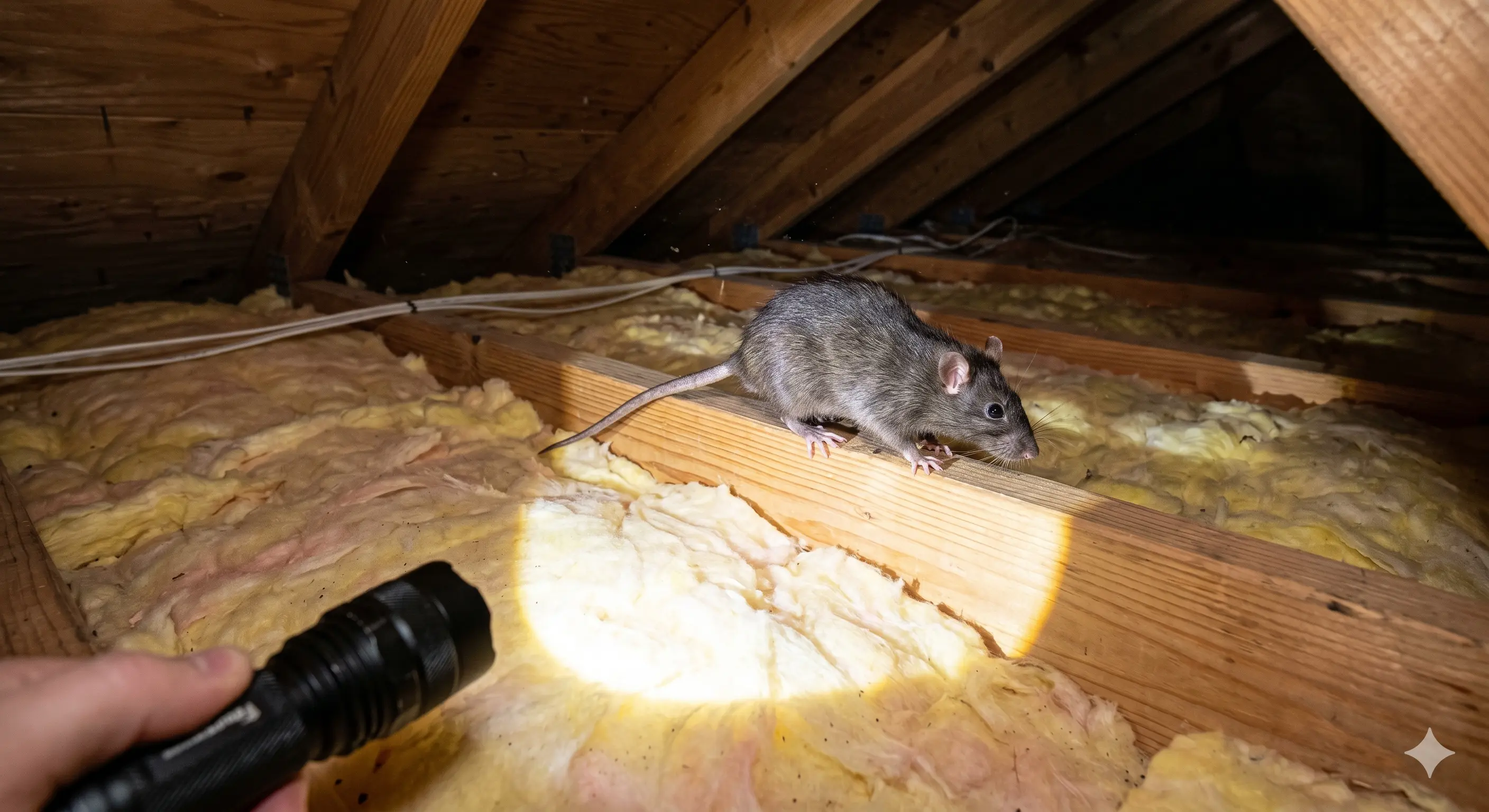
Rat Trapping Guide
Roof rats in attics, Norway rats in crawl spaces. How a proper Eugene trap-and-exclusion program is run.
Read the rat guide →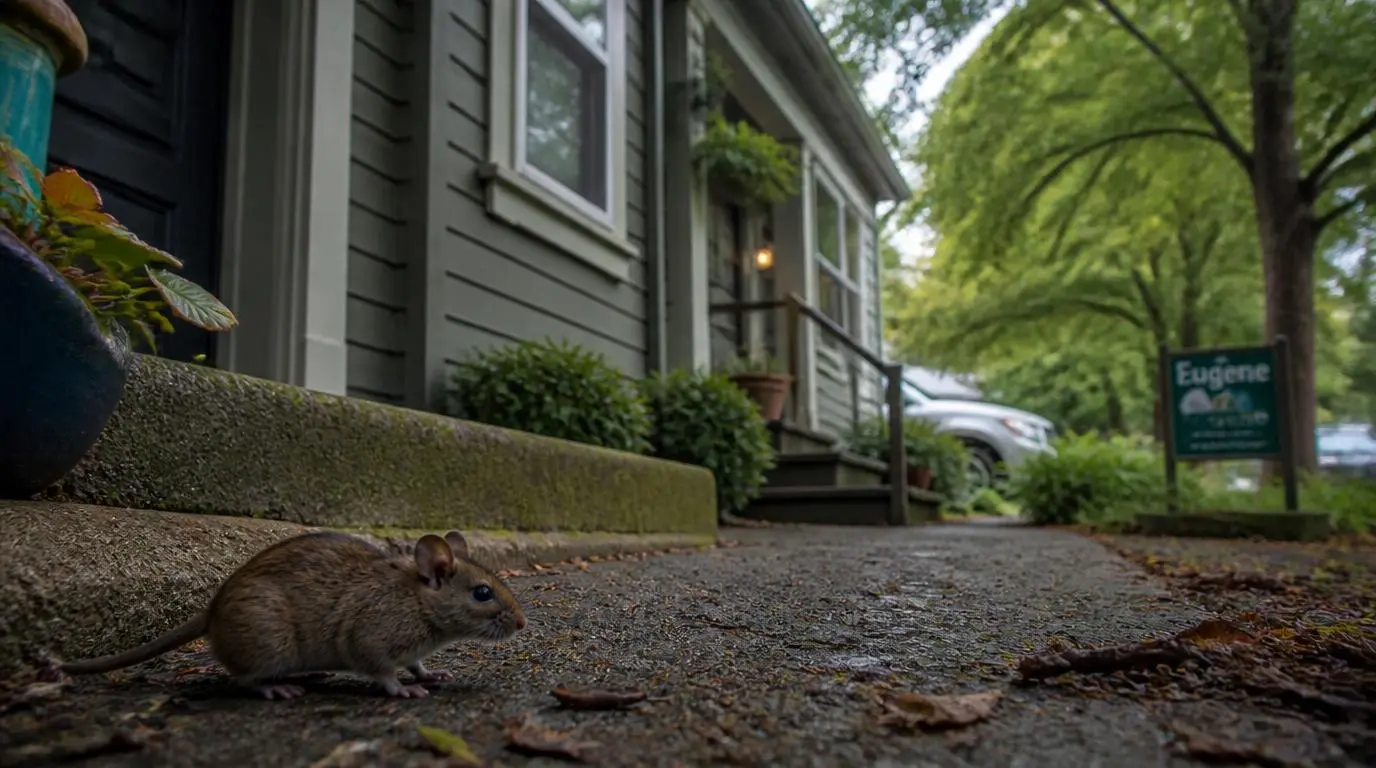
Mouse Control Guide
Winter field-mouse infestations from surrounding pasture and timber. What to expect from a good mouse program.
Read the mouse guide →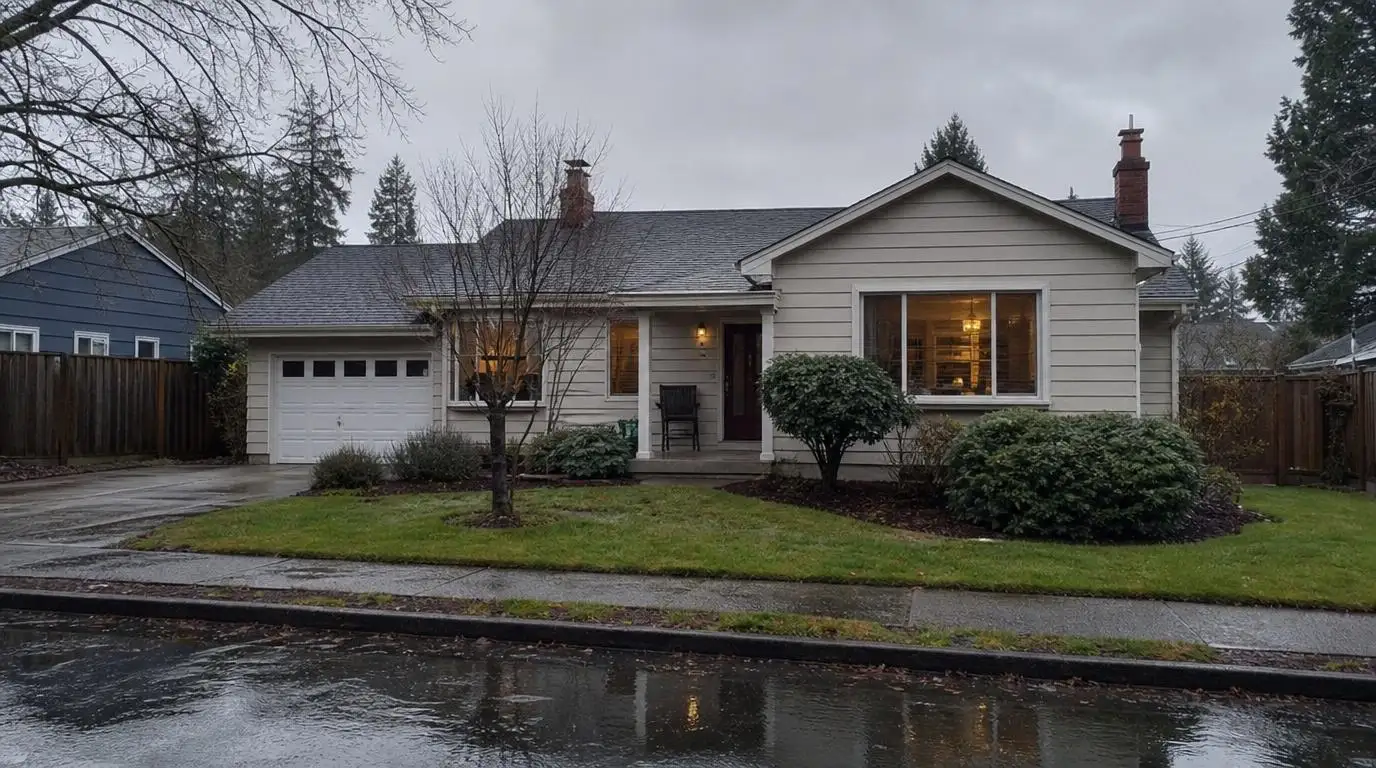
Eugene Local Guide
Chicken coops, urban composters, blackberry hedges: a neighborhood-by-neighborhood field guide to local pressure.
Read the local guide →The work that makes the fix permanent.
Beyond trapping and inspection, four specialized services are what actually end a Eugene rodent problem for good — sealing the structure, restoring the spaces, drying the ground, and clearing the urgent messes. Each links to its own full guide.
Structural Exclusion & Rodent-Proofing
Permanent physical sealing of every entry point in 22-gauge galvanized steel — backed by a lifetime warranty.
See the service →Crawl Space & Attic Restoration
HEPA biohazard cleanup, soiled insulation removal, antimicrobial sanitizing, and fresh high-density insulation to code.
See the service →Vapor Barrier & Moisture Control
Heavy-duty 10-mil ground sheeting, borate wood treatment, and humidity control to stop nesting, mold, and rot.
See the service →Dead Animal Removal & Odor Control
Same-day urgent response: thermal locating, precise micro-cut removal, and molecular odor neutralization.
See the service →
Why Eugene's housing stock attracts rodents, and what actually keeps them out.
The Friendly Area's 1920s bungalows, Cal Young's 1970s split-levels, and South Eugene's hillside ranches each fail in their own ways. Brick foundation weep holes, rotted cedar trim, post-and-beam crawl space openings, and undersized roof vents are the four entry points good operators patch on nearly every Lane County job.
- 22-gauge galvanized hardware cloth on every foundation and dryer vent
- Copper mesh and elastomeric sealant on plumbing and HVAC penetrations
- Roofline inspection for gable, ridge, and turbine vent gaps
- A written warranty on every excluded entry point
A four-step program that doesn't end after the first dead rat.
Use this as your hiring checklist. Any operator in the network follows some version of these four steps. An operator who skips a step is leaving you with a problem.
Inspection & species ID
A proper crew crawls the attic, the crawl space, and the perimeter. You should get photos of every entry point, an honest infestation severity grade, and a written estimate the same day.
Structural exclusion
Every gap a pencil can fit through gets sealed with galvanized steel mesh, copper, and elastomeric sealant. Watch for expanding foam used as the sole exclusion material: rats chew through it in a weekend.
Trapping & monitoring
Mechanical snap traps placed on a 2–4 week monitoring schedule, serviced by the operator. Reputable Lane County crews don't place rodenticide bait inside living spaces.
Cleanup & restoration
Soiled insulation removed, droppings vacuumed under HEPA, surfaces fogged with hospital-grade antimicrobial, and vapor barriers replaced where needed.
Eugene neighborhoods covered by the directory.
Every operator in the network actively services Eugene, Springfield, and the surrounding Lane County communities. Most rodent pressure clusters predictably along the lines below.
What Eugene homeowners ask first.
I hear scratching at night in the ceiling. Is it rats or mice?
If it's loud enough to wake you up, you're almost certainly hearing a roof rat. They run along the top plate of interior walls and across drywall ceilings between roughly 10 p.m. and 4 a.m. Mice tend to skitter softly inside wall cavities. A 90-minute professional inspection will tell you definitively from droppings, gnaw marks, and grease trails.
Which operators in the directory use poison?
The reputable operators in the network avoid rodenticide bait inside living spaces, attics, and crawl spaces. Secondary poisoning of pets, raptors, and neighborhood cats is a documented problem in Lane County. The standard is mechanical snap traps in tamper-resistant boxes, monitored on a service schedule. Exterior bait stations should only be used in locked, anchored stations placed at least ten feet from the structure, and only at the customer's request.
Why does the problem always start in October?
Two reasons. First, the Willamette Valley's first sustained rain pushes field rodents off pasture and into structures. Second, daytime temperatures drop below 55°F and rodents begin caching food for winter. By Thanksgiving, the most common crawl-space-cleanup calls come from homes whose owners ignored the first scratching in October.
How long does the work take?
Exclusion and initial trap placement is typically a single day, sometimes two for larger homes. Trap monitoring runs 2–6 weeks depending on infestation severity. Crawl space cleanup and insulation replacement adds another 1–3 days. A good operator will give you an honest timeline at the inspection.
How is the directory funded?
The network is an independent community resource. Operators cannot pay to be listed or to rank higher in the directory. There are no affiliate links, no referral fees, and no pay-per-click arrangements with listed companies. Listings are reviewed and re-verified every quarter for accuracy and active service.
Heard scratching last night?
Don't wait for it to get worse — rodent damage compounds fast. Call now and talk to a vetted Lane County operator. Free inspection, honest assessment, no obligation.